What breaking strength do I need for heavy vehicle recovery?
The required breaking strength depends on the weight of the vehicle being recovered and the recovery method. As a general rule, select rope with a breaking strength at least 2-3 times the Gross Vehicle Weight Rating (GVWR) of the heaviest vehicle. For commercial towing and heavy equipment recovery, we offer ropes with breaking strengths ranging from 16,000 lbs to over 340,000 lbs. Our team can help you select the appropriate rope specification based on your specific recovery operations.
What's the difference between synthetic and natural fiber tow rope?
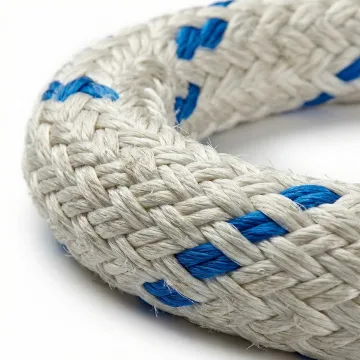
Synthetic ropes (nylon, polyester, polypropylene) offer superior strength-to-weight ratios, excellent abrasion resistance, and consistent performance in wet conditions. They're ideal for modern recovery equipment and winch operations. Natural fiber ropes like Manila provide excellent shock absorption, reliable grip, and UV resistance, making them well-suited for traditional towing applications. Synthetic ropes are lighter and safer than steel cable, while natural ropes offer time-tested performance in rugged conditions.
How do I determine the right rope length for my towing operation?
Rope length depends on your typical recovery scenarios and equipment setup. For roadside assistance and light recovery, 50-100 feet is usually sufficient. Heavy haul operations may require 150-200 feet or more. Consider the terrain, vehicle positioning, and anchor points in your typical recovery situations. Longer rope allows for more flexible positioning but adds weight and storage requirements. We can manufacture custom lengths to match your specific operational needs.
Can your tow rope be used with winches?
Yes, many of our rope constructions are excellent for winch applications. Braided synthetic ropes are particularly well-suited for winch lines due to their smooth surface, consistent diameter, and resistance to kinking. They're significantly safer than steel cable—if a synthetic winch line fails, it drops to the ground rather than whipping back. We offer both standard winch-ready rope and custom assemblies with reinforced eyes and protective sleeves for direct attachment to your winch drum.
How do I maintain and inspect tow rope for safety?
Inspect rope before each use for signs of wear, abrasion, cuts, or UV damage. Look for broken fibers, soft spots, or diameter inconsistencies. Clean rope after use by removing dirt and debris, then store in a dry, cool location away from direct sunlight and chemicals. Rotate rope regularly to distribute wear evenly. Replace rope immediately if you observe significant damage, reduced diameter, or if it has been subjected to shock loads exceeding its rated capacity. Document inspection dates and retire rope according to manufacturer guidelines and your company's safety protocols.
Do you offer custom towing rope configurations?
Absolutely. Through our Custom/OEM services, we can manufacture towing rope to your exact specifications. This includes custom lengths, specific fiber types (nylon, polyester, polypropylene, co-polymer), various constructions (3-strand, braided, double-braid), and specialized end terminations like spliced eyes, thimbles, or protective sleeves. We work with recovery professionals, towing companies, and equipment manufacturers to create rope solutions that match their unique operational requirements. Contact our team to discuss your custom towing rope needs.
What's your typical lead time for tow rope orders?
One of our competitive advantages is industry-leading product availability with tight lead times. For standard products from our extensive inventory of thousands of SKUs, we can typically ship within days. Custom configurations may require 2-4 weeks depending on specifications and order volume. Our domestic manufacturing in the USA and Canada allows us to maintain consistent supply and respond quickly to your needs. Contact us with your specific requirements for accurate lead time information.
How does rope compare to chain or steel cable for towing?
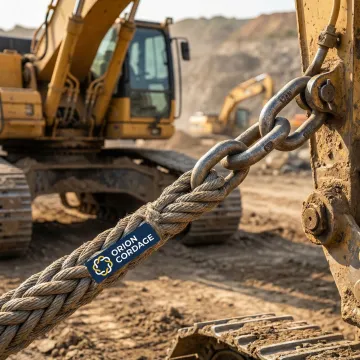
Modern synthetic rope offers significant advantages for many towing applications: it's lighter (easier to handle and transport), safer (doesn't store energy like steel cable), and provides better shock absorption to protect both vehicles and equipment. High-strength synthetic rope can match or exceed the breaking strength of comparable diameter steel cable while weighing up to 80% less. However, chain and steel cable still have specific applications where their properties are advantageous. Our team can help you evaluate the best option for your specific recovery operations, considering factors like load requirements, abrasion conditions, and safety considerations.