What types of rope are best suited for offshore oil & gas operations?
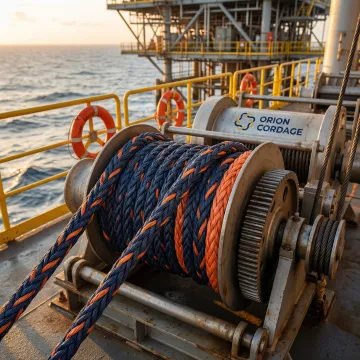
For offshore environments, we recommend high-strength synthetic ropes such as braided polyester, 3-strand nylon, or specialty high-performance fibers. These materials offer excellent resistance to saltwater, UV exposure, and abrasion while maintaining strength under extreme loads. The specific rope type depends on your application—mooring lines, fall protection, rigging, or general utility. Our technical team can help specify the optimal solution for your operational requirements.
How do I determine the correct rope strength for my offshore application?
Rope selection depends on several factors including maximum expected load, safety factor requirements, environmental conditions, and industry regulations. For critical applications like mooring or fall protection, we recommend consulting our engineering team who can review your specific use case, calculate required break strength, and specify appropriate rope construction and diameter to meet or exceed safety standards.
What maintenance is required for rope used in offshore environments?
Regular inspection is critical for offshore rope. Examine for abrasion, cuts, UV degradation, chemical damage, and reduced flexibility. Clean ropes periodically to remove salt, oil, and debris. Replace rope according to manufacturer guidelines or when inspection reveals damage. For safety-critical applications like fall protection, follow strict replacement schedules regardless of visible wear. We provide detailed maintenance guidelines with all offshore rope products.
Can you provide custom rope solutions for specialized offshore applications?
Yes, our Custom/OEM division specializes in engineered rope solutions tailored to unique offshore requirements. We can manufacture rope in specific lengths, diameters, fiber types, and constructions to meet your exact specifications. Whether you need specialized splicing, custom fittings, or unique performance characteristics, our engineering team works with you to develop the optimal solution for your application.
What certifications or compliance standards do your offshore ropes meet?
Our ropes are manufactured to meet relevant industry standards for offshore and marine applications. Specific certifications vary by product and application, but we can provide detailed technical specifications, test data, and compliance documentation for your review. For safety-critical applications, we work with your safety team to ensure all regulatory and compliance requirements are met.
What is the typical lead time for offshore rope orders?
Lead times vary based on product type, quantity, and customization requirements. Standard products from our extensive inventory often ship within days, while custom or large-volume orders may require 2-4 weeks. Our domestic manufacturing capability and supply chain integration enable us to maintain tight lead times even for specialized offshore applications. Contact us for specific delivery timelines for your project.
How does synthetic rope compare to wire rope for offshore applications?
Synthetic rope offers several advantages over wire rope in offshore environments: lighter weight for easier handling, better resistance to corrosion, no rust or sharp wire hazards, and superior strength-to-weight ratio. Modern high-performance synthetic ropes can match or exceed wire rope strength while being safer to handle and maintain. However, the best choice depends on your specific application, load requirements, and operational conditions.
Do you offer technical support for rope selection and installation?
Yes, our technical team provides comprehensive support throughout your project. We assist with rope selection based on your application requirements, recommend proper installation procedures, provide splicing and termination guidance, and offer ongoing support for maintenance and inspection. Our decades of offshore industry experience ensure you receive expert advice tailored to your operational needs.